


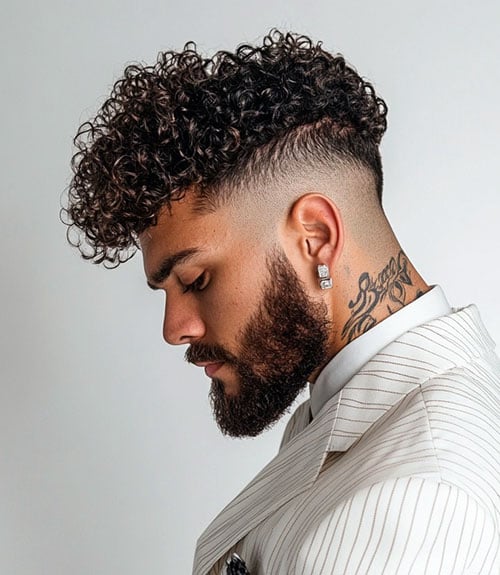

The mid drop fade has earned its place as one of the most adaptable and stylish haircuts of the last few years. Somewhere between clean barbershop precision and effortless modern swagger, this cut gives you a sharp silhouette that complements almost every face shape. What makes the mid drop fade especially interesting isn’t just the blend of length or the curve of the fade — it’s how the style manages to look polished without trying too hard. It’s the kind of haircut that looks intentional without appearing overdone.
A mid drop fade keeps that perfect balance between being noticeable and being approachable. It’s stylish enough to signal attention to detail, yet relaxed enough to work in any environment — work, the gym, a night out, or a weekend doing nothing at all. Many people gravitate to this cut because it quietly enhances their features rather than becoming the entire personality of their look. It complements rather than overshadows, and that’s part of its charm.
This article breaks down what makes the mid drop fade unique, who it suits best, how it differs from other fades, and why it continues to be a go-to choice for barbers and clients alike. If you’re thinking of getting this cut or simply want to understand it better, you’ll walk away with a full picture of why this style has become a modern classic.
1. What Exactly Is a Mid Drop Fade?
A mid drop fade is essentially a fade haircut that begins around the middle of the head — typically just above the ears — and “drops” lower in the back, following the natural curvature of the skull. This dropping motion is what gives the cut its signature shape. Instead of fading in a straight, horizontal line, the fade dips into a natural curve, creating a smoother, more sculpted look.
The fade itself tapers the hair gradually from longer lengths on top to shorter lengths on the sides and back. What sets the mid drop fade apart is its ability to blend seamlessly with a wide variety of top styles. Whether someone prefers waves, curls, a textured crop, or even a messy fringe, the fade transitions cleanly into the longer hair above. This adaptability turns the cut into a versatile foundation, almost like a perfectly tailored jacket that works with anything you pair it with.
The drop effect also provides definition to the head shape. For many people, a straight fade line can look too flat or boxy. But a drop fade guides the eye along a curved, natural contour. This creates a subtle illusion of symmetry and structure, making the head appear more proportioned. It’s one of the reasons barbers love the mid drop fade — it’s a technical style that allows them to shape the haircut exactly to the client’s features.
2. Why the Mid Drop Fade Has Become So Popular
The surge in popularity of the mid drop fade isn’t accidental. It hits that sweet spot between trendy and timeless, offering just enough edge without pushing into overly dramatic territory. People love it because it feels modern yet familiar — the kind of haircut that looks crisp but never tries too hard.
Cultural influence also plays a big role. From athletes to artists, you’ll see countless versions of the mid drop fade, each slightly tweaked to suit the wearer’s identity. When a haircut starts appearing across so many different style groups, it becomes a kind of universal fashion language. Whether someone prefers a clean-cut look or something more rugged, the mid drop fade adapts. It’s not a haircut that belongs to one aesthetic — it blends into many.
Another reason for its rising popularity is its practicality. A mid drop fade stays cleaner for longer compared to low or high fades. Because it sits in the middle zone, the grow-out looks softer and more natural. This makes maintenance easier and less demanding, especially for people who don’t want to be in the barber’s chair every week. The balance between structure and ease is one of the main reasons this cut has become a staple.
3. How the Mid Drop Fade Enhances Different Face Shapes
One of the best advantages of the mid drop fade is how well it suits a wide range of face shapes. Unlike some haircuts that exaggerate features or narrow the appearance of the face, the mid drop fade creates a gentle visual frame. This helps balance proportions without looking forced or overly sculpted.
For rounder faces, the mid drop fade adds vertical definition. The tapering on the sides reduces the width visually, while the drop in the back prevents the cut from feeling too square. When paired with volume on top — curls, a quiff, or a textured crop — the face appears elongated in a flattering way. It’s a subtle enhancement that doesn’t look artificial or “engineered.”
For more angular faces, the mid drop fade softens edges just enough without sacrificing structure. The curved drop follows the skull naturally, giving the haircut a smooth flow that blends harsh jawlines or strong cheekbones. And for oval or heart-shaped faces, the fade simply enhances what’s already balanced. Because the fade works with your head shape instead of overpowering it, it feels more like a well-matched accessory than a style that demands attention.
4. Mid Drop Fade vs. High, Low, and Burst Fades
Before choosing a mid drop fade, it helps to understand how it differs from other popular fade variations. The differences may seem subtle, but they dramatically change the overall look.
A high fade sits much higher on the head, removing more hair from the sides. It creates a bold contrast that feels sharper and more aggressive. While high fades look clean, they aren’t as forgiving during grow-out. They also don’t blend as naturally into certain top styles — especially curls and waves. The mid drop fade, in contrast, feels more balanced and less severe.
A low fade starts closer to the neckline. It gives a softer, more conservative look but can sometimes lack the dynamic structure that the mid version offers. Low fades also grow out faster visually, making the haircut look wider at the base after a week or two. For many people, the mid drop fade hits the perfect middle ground, offering a structured look without being too dramatic or too subtle.
A burst fade focuses around the ear area, creating a circular shape. It’s more stylish and attention-grabbing, but it works best with specific hairstyles like mohawks or mullets. The mid drop fade is more universal. It doesn’t rely on any single hairstyle to look great — it adapts beautifully to whatever the person prefers on top.
5. The Best Hairstyles to Pair with a Mid Drop Fade
The beauty of this fade lies in its flexibility. Almost any top style can pair well with it, from tidy and controlled to loose and expressive. The fade functions like a clean canvas that enhances texture and adds sharp contrast without overwhelming the style.
For people with curly or coily hair, the mid drop fade highlights natural texture. The tapering on the sides makes the curls on top look more defined and voluminous. It creates a shape that feels effortless while still maintaining a tidy outline. Many who have struggled with bulky sides or uneven curl patterns find that this fade gives their hair a more intentional silhouette.
For those with straight or wavy hair, the fade pairs beautifully with messy crops, brushed-back styles, or even longer tops with movement. The sharpness of the fade complements the softness of natural waves or layered textures. Even a simple fringe gets an elevated look when matched with a clean mid drop fade. The haircut doesn’t limit your style — it enhances whatever you choose.
6. How to Ask Your Barber for the Perfect Mid Drop Fade
Communication matters when you’re in the barber’s chair. While the mid drop fade is common, small variations can lead to very different final looks. Describing the curvature of the drop, the length on top, and the style you’re aiming for helps ensure you walk out with the haircut you imagined.
The key phrase is “mid fade that drops behind the ear,” but you should also mention how low you want the drop to fall. Some prefer a subtle dip, while others want a more pronounced curve. Bringing reference photos helps, but explaining how you style your hair day-to-day gives your barber the context needed for a perfect blend.
A good barber will also consider your hair type, density, and natural growth pattern. These technical details influence how the fade sits once it grows out. When all of these elements are aligned — communication, technique, and personal preference — the result is a mid drop fade that feels custom-crafted for your head shape and lifestyle.
Conclusion: Why the Mid Drop Fade Remains a Modern Staple
The mid drop fade isn’t just a trend — it’s become a reliable building block in modern grooming. Its balanced shape, easy maintenance, and compatibility with countless hairstyles make it a favorite for barbers and clients alike. It doesn’t try too hard, yet it quietly elevates your look in a way that feels natural and confident.
As more people experiment with fades, the mid drop fade stands out because it adapts effortlessly. It works with curls, waves, coils, and straight hair. It flatters round faces, square faces, long faces — practically anything. It’s a haircut that makes you look put-together without demanding constant upkeep.